
Longsword
The versatile two-handed sword of the medieval knight
The longsword is the quintessential weapon of the medieval warrior. Wielded with two hands, it offers exceptional reach, power, and versatility—equally capable of devastating cuts, precise thrusts, and powerful grappling techniques.
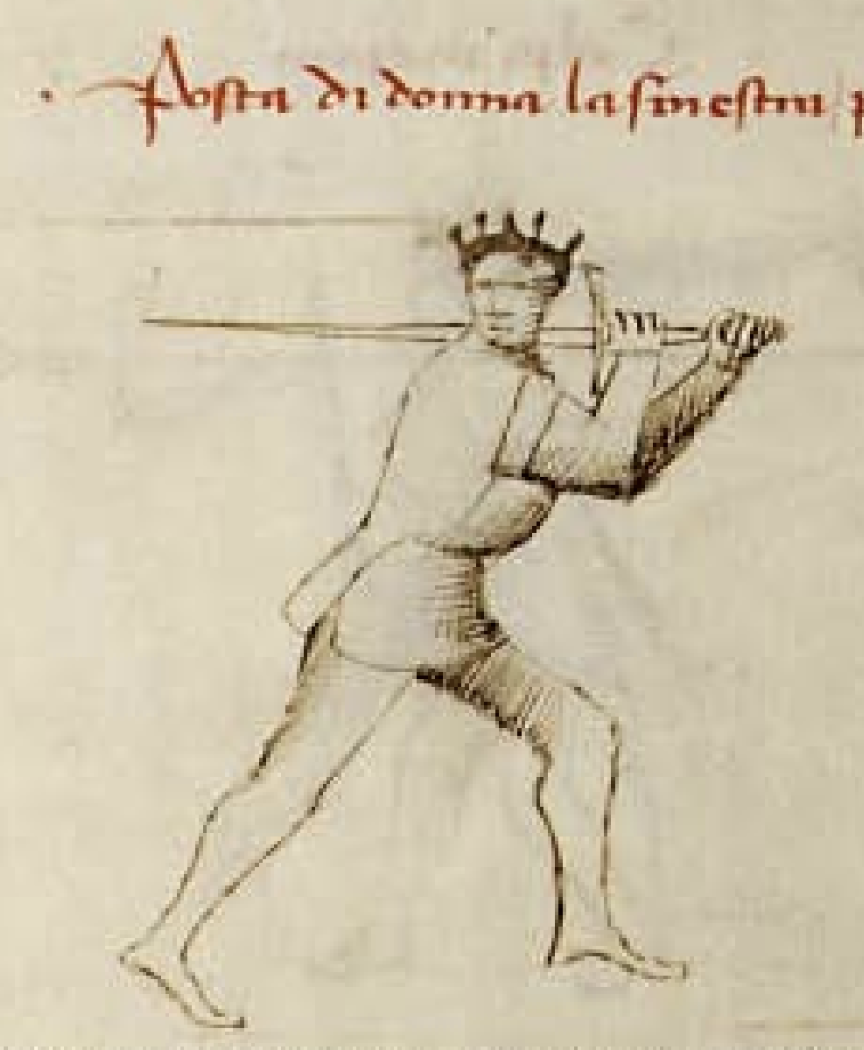
Anatomy of the Weapon
Understanding the longsword's balanced design
The longsword is a double-edged, two-handed sword with a cruciform hilt. Its defining feature is the extended grip, allowing for powerful two-handed techniques while remaining light enough for occasional one-handed use.
The blade typically measures 90 to 110 centimeters, with an overall length of 120 to 140 centimeters including the hilt. Despite its size, a well-made longsword weighs only 1.2 to 1.5 kilograms—far lighter than popular myth suggests.
Key Components
- Blade: Double-edged with a pointed tip for cutting and thrusting
- Crossguard: Protects hands and enables binding techniques
- Grip: Extended handle for two-handed wielding
- Pommel: Counterweight and close-quarters weapon
- Fuller: Groove running along blade to reduce weight
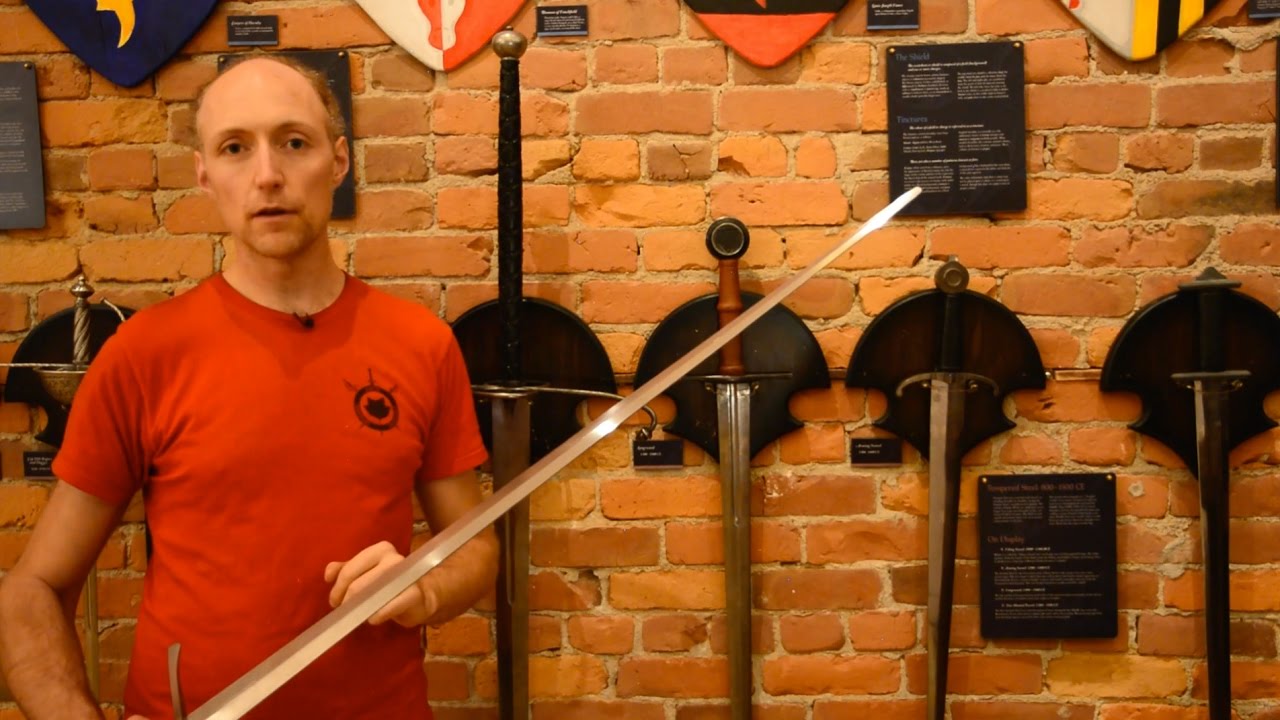
Watch: Parts of the Longsword
Learn about the blade, crossguard, grip, pommel, and how each component contributes to this versatile weapon.
Nature of the Art
A complete fighting system
Longsword combat is perhaps the most complete of all sword arts. Medieval masters developed systems that seamlessly integrate cutting, thrusting, grappling, and wrestling—a true martial art in every sense.
Versatility
The longsword excels at all ranges—from the point at distance to the pommel in close quarters.
Grappling
Wrestling and disarms are integral. The sword becomes a lever for throws and joint locks.
Power & Grace
Two-handed leverage enables powerful cuts while the balanced design allows elegant, flowing technique.
The longsword tradition emphasizes "binding"—the moment when blades cross. From this position, skilled practitioners can feel their opponent's pressure and intention, responding with cuts, thrusts, or wrestling techniques in a fluid, reactive manner.
History
The sword of knights and masters
The longsword emerged in the late medieval period (14th-16th centuries) as armor technology and fighting techniques evolved. It became the weapon of choice for knights, men-at-arms, and civilians alike—effective both in and out of armor.
German and Italian masters created extensive treatises on longsword combat. The German tradition, led by Johannes Liechtenauer, emphasizes efficient movement and the concept of "Vor" (before) and "Nach" (after). The Italian tradition, represented by Fiore dei Liberi, integrates the sword with extensive wrestling and dagger techniques.
At Academie Duello, we primarily follow the Italian tradition as recorded in Fiore dei Liberi's masterwork Fior di Battaglia (The Flower of Battle, 1409). Fiore's system provides a complete martial education, connecting longsword to dagger, wrestling, and armored combat.
Our Primary Sources
Fiore dei Liberi
Fior di Battaglia (1409)
Comprehensive Italian martial treatise covering wrestling, dagger, sword, polearms, and mounted combat.
German Masters
Liechtenauer Tradition (14th-16th c.)
We also draw from German sources for comparative study and supplementary techniques.
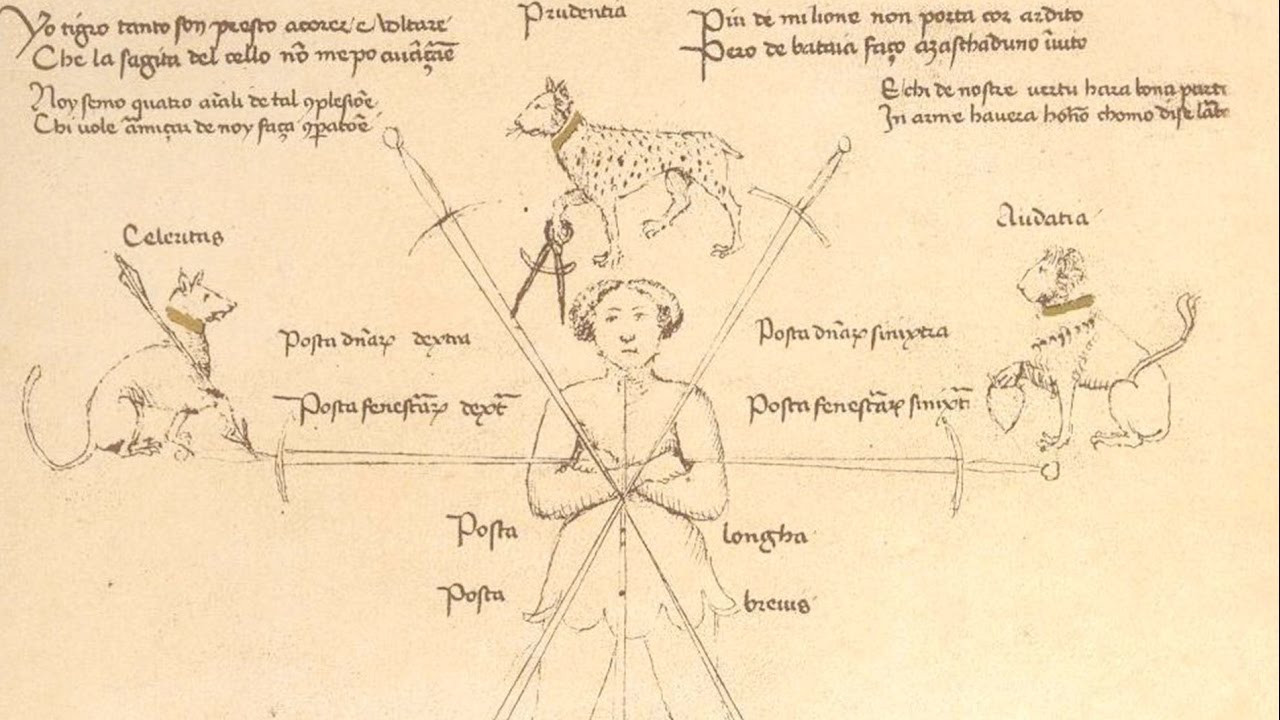
Watch: History of the Italian Longsword
Discover the origins and evolution of the longsword tradition, from medieval battlefields to the fight books of masters like Fiore dei Liberi.
Begin Your Longsword Journey
Our longsword program teaches you the complete art of medieval swordsmanship, from fundamental cuts to advanced grappling.